
2026 Summer Camps in Calgary: How to Choose the Right Camp for Your Child

Summer camp can be one of the best parts of a child’s year. It gives children a chance to try something new, make friends, stay active, and enjoy their summer in a meaningful way. For parents, though, choosing the right camp is not always easy. Calgary has so many options, and each one offers something a little different.
Some camps are mostly about games, sports, and outdoor fun. Others focus more on learning, creativity, or building specific skills. The right choice depends on your child’s personality, interests, and what kind of summer experience you want them to have. The original post explains that Flying Minds is aimed at families who want a balance of fun, structure, learning, outdoor time, and social growth.
Flying Minds Summer Camps in Calgary
Flying Minds summer camps are designed for children ages 5 to 12 who enjoy learning by doing. The camps include chess, robotics, coding, art, and science, and they are meant for children who like to build, create, solve problems, and explore new ideas. At the same time, the camps are not just about sitting and studying. Children also get outdoor play, group games, and a fun summer atmosphere.

One of the things that stands out most is that children can focus on one main camp theme while still getting a varied day. For example, a child in robotics can spend time building and coding, but still enjoy outdoor breaks, games, and bonus activities. A child in chess can work on strategy and tactics, while also taking part in other fun camp experiences. That mix can be especially helpful for children who enjoy learning but still need movement, variety, and play during the day.
Duration: How Long Is the Camp Day?
Duration is one of the biggest differences between summer camps in Calgary.
Flying Minds offers 7.5 hours of camp programming and 8.5 hours of overall daily coverage. The program listing shows drop-off from 8:00–8:30 a.m. and pick-up from 4:00–4:30 p.m. (Flying Minds Education Centre)
This is helpful for working parents because the overall coverage is longer than many standard full-day camps. Children are not just attending a short class; they are spending a full day in a structured camp environment with learning time, outdoor time, breaks, games, and social activities.
By comparison, Pinnovate’s creative camps run from 9:00 a.m. to 4:00 p.m., with optional before-care available at an additional cost. (pinnovate.ca) TELUS Spark summer camps are listed as 9:00 a.m. to 4:00 p.m., with complimentary before and after care from 8:00–9:00 a.m. and 4:00–5:00 p.m. (Calgary Attractions) City of Calgary day camps also commonly run from 9:00 a.m. to 4:00 p.m., depending on the program. (liveandplay.calgary.ca)
For parents comparing camp length, Flying Minds offers a very practical schedule: a long full-day experience with early drop-off and later pick-up windows included in the camp day.
Program Comparison: General Recreation or Focused Learning?
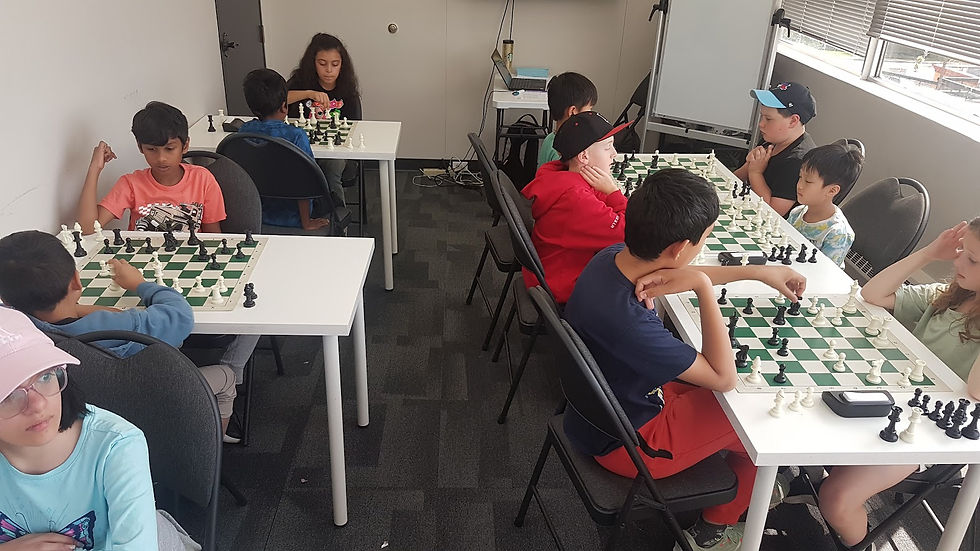
Calgary has many good summer camps, but they are not all built for the same purpose.
City of Calgary camps are broad recreation camps. They include sports, games, art, field sports, possible trips to local parks, water activities, and use of recreation facilities. They are a good option for families looking for active, affordable, community-based summer care. (https://www.calgary.ca)
TELUS Spark camps are strong science and STEAM camps. Their 2026 themes include storybook science, chemistry, environmental science, engineering, Mars exploration, kitchen science, and coding-based art. These camps are ideal for children who love experiments and science discovery. (sparkscience.ca)
MRU Junior Robotics is a good robotics option for younger children. It introduces campers to LEGO® Education SPIKE™ kits, basic building, coding, moving robots, lights, sensors, sound, and creative design challenges. (mtroyal.ca)
Roots 2 STEM offers more technical STEM programs, especially for older children and teens. For example, its Circuits camp is listed for ages 10–17 and includes electronics, soldering, testing, and a take-home Tesla coil project. (roots2stem.ca)
Pinnovate focuses on creative art and craft projects. Their full-day campers complete seven or more projects weekly, with creative games, snack breaks, lunch, and movement breaks. (pinnovate.ca)
Flying Minds sits in the middle of these options. It is more skill-focused than a general recreation camp, but more flexible and approachable than a highly technical lab camp. Children can build skills in chess, robotics, science, coding, or art while still enjoying a camp atmosphere with outdoor play and group activities.
Price Comparison: Where Does Flying Minds Fit?
Flying Minds 2026 full-day camps are listed at $400. (Flying Minds Education Centre) This makes Flying Minds competitive with other specialty camps in Calgary.
TELUS Spark 2026 camps vary by theme. Many five-day camps are listed at $372, while premium or coding-related camps can be listed at $422. Some four-day holiday weeks are listed at lower prices, such as $302 or $352, depending on the camp theme. (sparkscience.ca)
MRU Junior Robotics is listed at $410 for a regular camp week and $328 for certain four-day weeks. (mtroyal.ca)
Pinnovate full-day camps are listed at $485 for ages 6 and up. (pinnovate.ca)
Roots 2 STEM prices vary by program. For example, the Circuits camp is listed at $395 + GST for a four-day week, including a take-home Tesla coil and T-shirt. (roots2stem.ca)
City of Calgary camps can be less expensive, but the price depends heavily on the program type, length, location, and whether the camp is full-day or half-day. For example, one listed City of Calgary half-day hip-hop camp shows $112 for four afternoon classes. (liveandplay.calgary.ca)
Overall, Flying Minds is priced in the middle range for specialty camps. It is generally less expensive than some private creative camps, similar to or slightly below many STEM and robotics options, and more expensive than some municipal recreation programs. The difference is that Flying Minds offers a smaller, more education-focused camp experience with specialized themes.
Number of Students and Group Size

For many children, camp is more enjoyable when they feel seen, supported, and comfortable. This is especially true for younger children, quieter children, or children who may need more encouragement.
The original article notes that many camp providers do not clearly publish exact class sizes, which can make it harder for parents to compare the level of attention their child may receive. It positions Flying Minds as a smaller, more personal camp environment, which can be especially valuable in activities like chess, robotics, art, and science, where children often benefit from guidance and encouragement along the way.
That smaller-group feeling can be important. Some children thrive in large, noisy, high-energy camps. Others do much better in an environment that feels calmer, more focused, and easier to navigate.
So, which camp should you choose?
The answer really depends on your child.
If your child mainly wants games, movement, and a broad summer experience, a recreation camp may be the best fit.
If your child loves science experiments and discovery, a science-focused camp may be more exciting.
If your child is especially interested in robotics, coding, electronics, or engineering, then a STEM-focused camp could be the right choice.
If your child is drawn to art and making creative projects, then an art-based camp may bring out their best.
And if your child enjoys a mix of learning, creating, building, problem-solving, and outdoor fun, then Flying Minds may be a very strong option. It is a balanced camp that combines learning, creativity, technology, strategy, outdoor play, and small-group attention.
Final thoughts
Choosing a summer camp is not really about finding the “best” camp in general. It is about finding the best camp for your child.
Some children want movement and excitement. Some want creativity. Some want structure, focus, and the chance to build real skills. The best camp is the one that matches your child’s interests, confidence level, and learning style.
Flying Minds is a strong option for families who want more than basic summer care. It offers a full-day schedule, specialized camp themes, outdoor time, and a learning-focused environment that still feels fun and welcoming. For children who enjoy chess, robotics, coding, science, art, and hands-on activities, it can be a very meaningful way to spend the summer.


Comments